Mexican small and medium-sized enterprises (SMEs) are facing a unique moment in history—one that could transform their role within both the regional and global economy. Thanks to the momentum of nearshoring, the rising demand for products and services in North America, and the support of binational chambers of commerce, Mexican businesses now have access to…
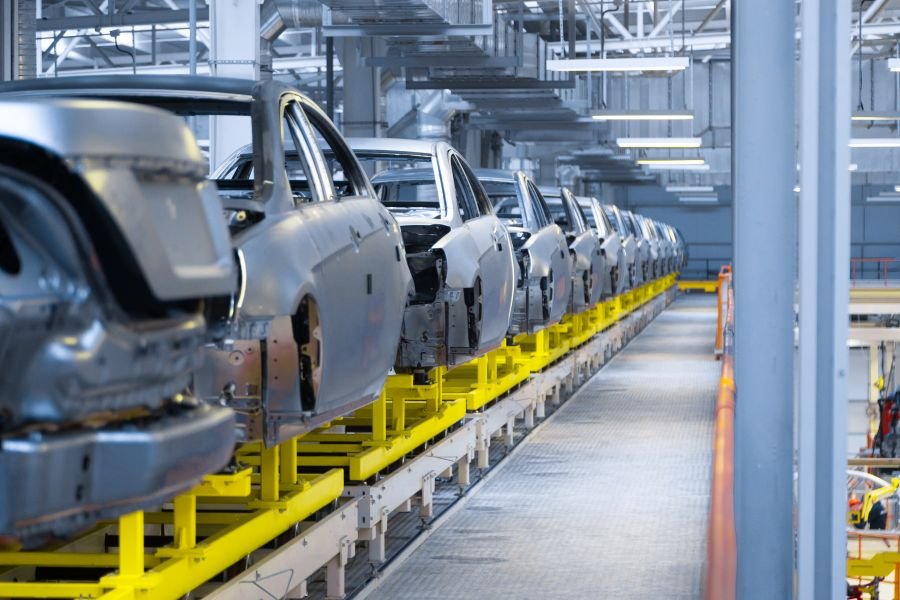
Read MoreThe Mexican automotive industry stands at a historic crossroads. For decades, the sector has served as a powerful engine of national economic growth, a generator of high-value jobs, and a symbol of productive integration with North America. Today, however, technological disruption, new rules in international trade, and shifting consumer expectations have transformed the landscape at…

Read MoreNearshoring has become a key strategy for global companies looking to optimize costs, improve delivery times, and minimize logistical risks. With its strategic location and competitive costs, Mexico has emerged as the ideal destination for manufacturing relocation. Benefits of Nearshoring in Mexico: Companies like Tesla, General Motors, and Siemens have already taken advantage of these…
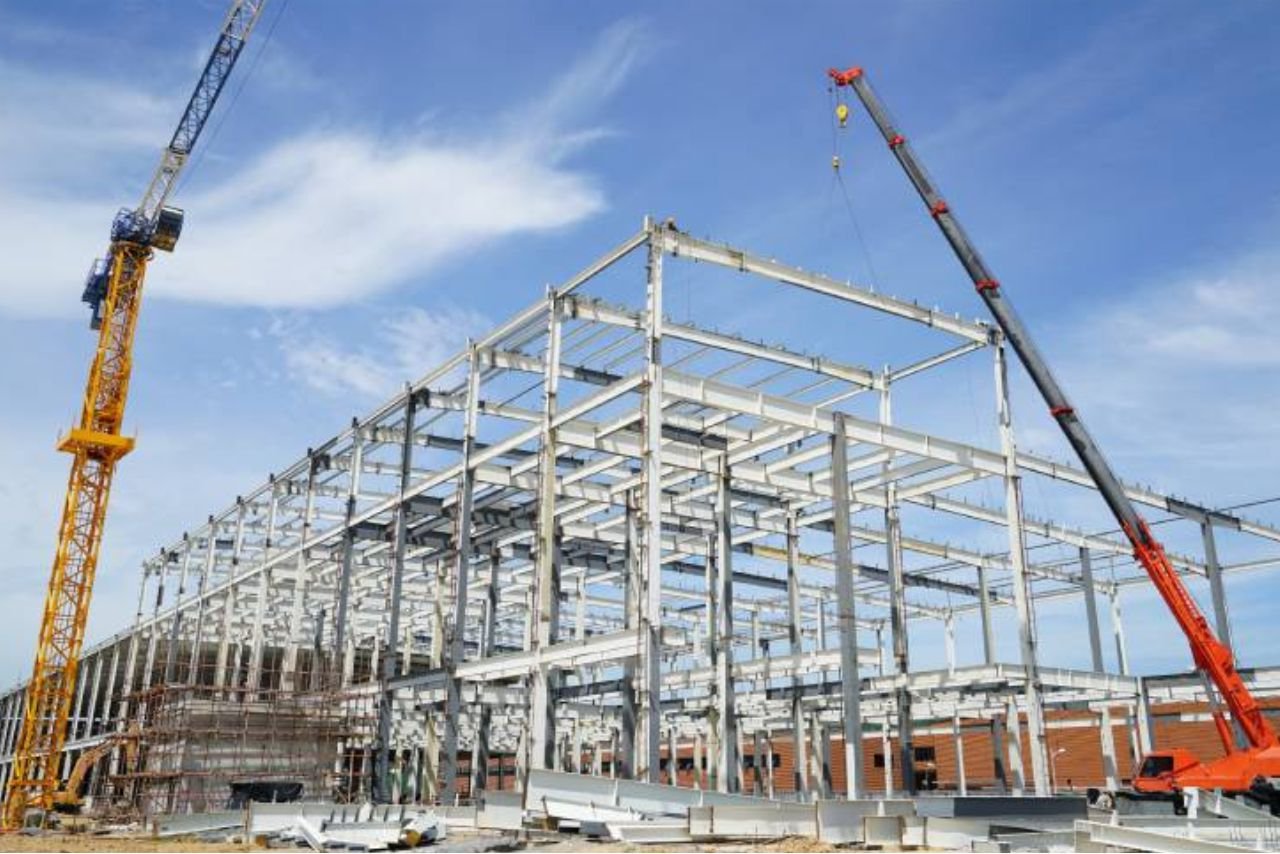
Read MoreKey factors to consider when selecting industrial land or facilities: Companies that have made decisions based on these factors have streamlined their operations and maximized their return on investment in industrial real estate. Industrial parks in Querétaro, Monterrey, and the Bajío region are prime examples of developments that have attracted multimillion-dollar investments in recent years.
Read MoreReshoring is a growing trend in which companies that once manufactured in China are now shifting operations to Mexico and the United States. Rising transportation costs, trade tensions, and the need for more secure supply chains have all contributed to this shift. Key reasons behind reshoring: Companies that have adopted reshoring strategies are seeing significant…
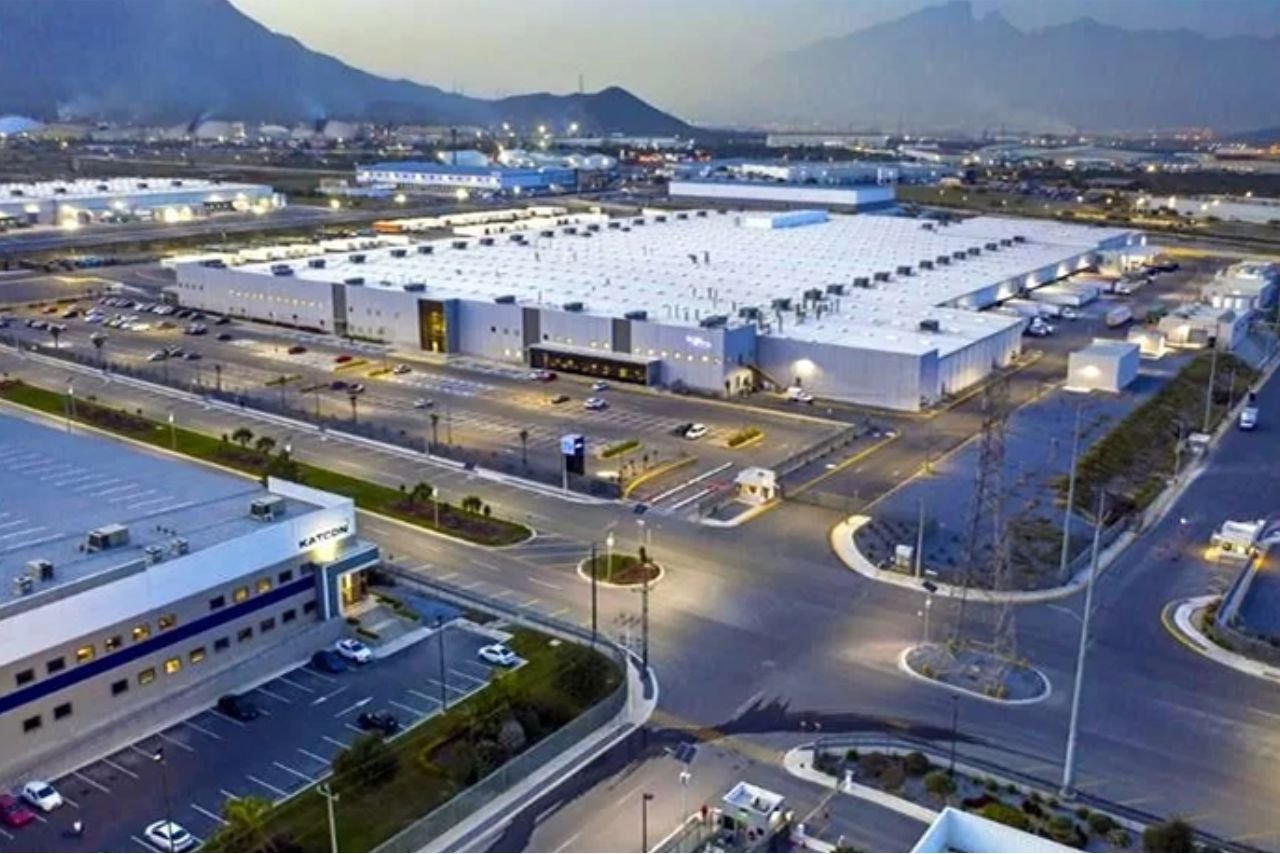
Read MoreThe development of modern and sustainable industrial parks in Mexico is boosting the country’s competitiveness in the manufacturing sector. In recent years, demand for efficient, tech-enabled infrastructure has grown significantly. Trends in industrial infrastructure: The evolution of industrial infrastructure in Mexico not only enhances operational efficiency but also attracts greater levels of foreign direct investment.…
Read MoreExpanding into a new industrial market is a strategic move that requires careful analysis and planning. Mexico and Texas have emerged as top choices for business expansion, thanks to their proximity to the U.S. and attractive investment conditions. Key strategies for successful expansion: Companies that take a strategic approach to expansion have strengthened their position…
Read MoreNearshoring has reshaped how global companies structure their supply chains, and Mexico has emerged as a key player in this shift. With its close proximity to the U.S., competitive costs, and a rapidly growing industrial infrastructure, Mexico has attracted the attention of major corporations looking to reduce their reliance on Asia. Opportunities for nearshoring in…
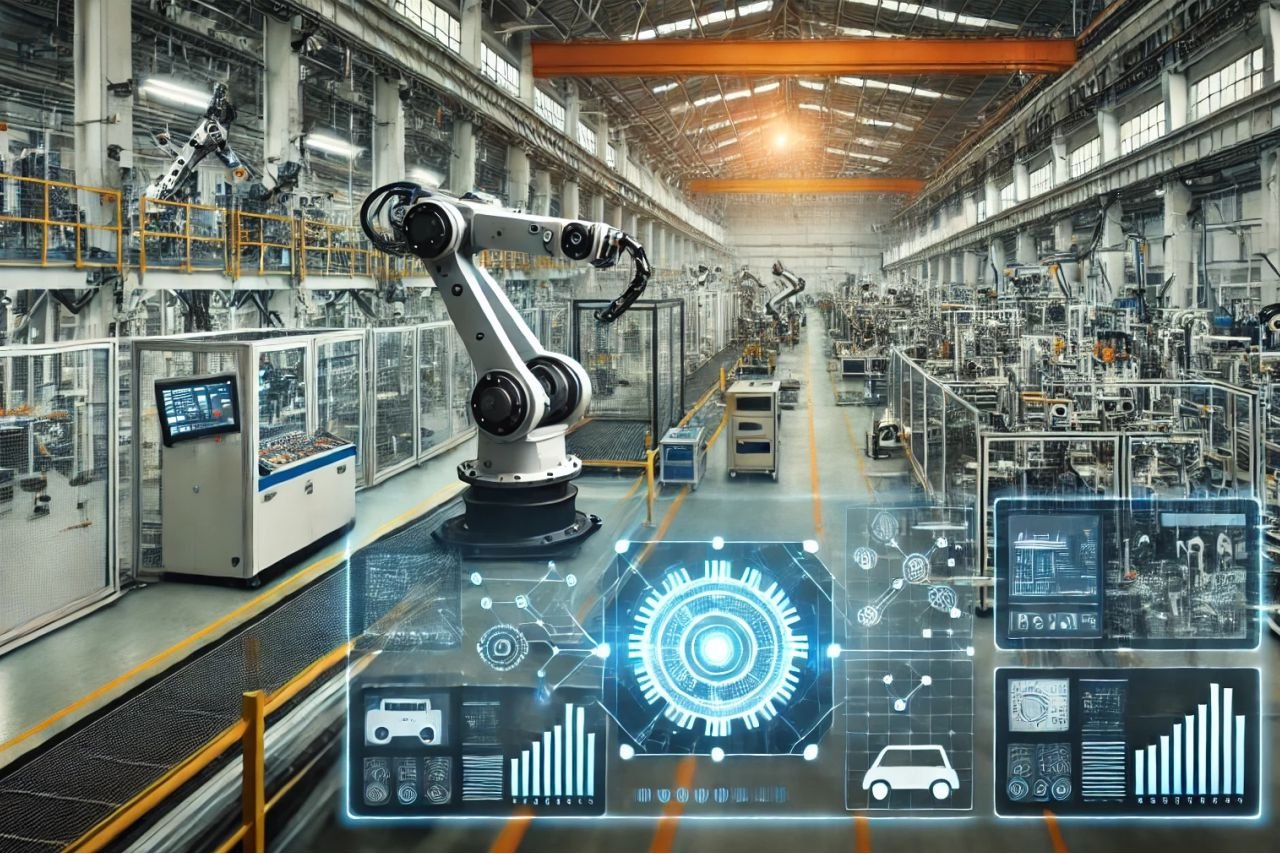
Read MoreIndustrial parks are rapidly evolving toward more automated and digitized models. The adoption of technologies like the Internet of Things (IoT), artificial intelligence, and robotics is helping companies boost efficiency and lower operating costs. Key trends in industrial automation: Automation in industrial parks not only enhances productivity but also strengthens Mexico’s competitiveness in the global…
Read MoreMany companies face the decision between nearshoring and offshoring when expanding their operations. While offshoring was a popular strategy in past decades, nearshoring has gained momentum in recent years as businesses look to reduce risk and optimize costs. Key differences between nearshoring and offshoring: Nearshoring to Mexico offers a valuable opportunity for companies seeking the…
Read More